A Beginner's Guide to Collecting Vintage Bone China — What to Look For & Where to Start
Share
There's something quietly magical about a piece of vintage bone china. The way light passes through a translucent teacup, the delicate hand of a well-worn pattern, the story behind a maker's mark on the base. Once you start noticing it, you can't stop.
If you've ever picked up a teacup at a market and wondered "is this worth something?" — this guide is for you. Whether you're just starting out or looking to build a more intentional collection, here's everything you need to know about collecting vintage bone china.
What Is Bone China?
Bone china is a type of porcelain made with bone ash (traditionally from cattle), which gives it its distinctive creamy white colour, translucency, and remarkable strength despite its delicate appearance. It was developed in England in the late 18th century and remains one of the most prized materials in fine tableware.
The best bone china has a warmth and luminosity that earthenware and standard porcelain simply can't replicate. Hold a piece up to the light — if you can see your fingers through it, that's a good sign you're holding something special.
The Makers Worth Knowing
Not all bone china is created equal. When it comes to collectability and value, the maker matters. Here are some of the most sought-after names in vintage bone china:
Shelley England
Shelley is arguably the most collectable English bone china among serious enthusiasts. Known for their extraordinary range of cup shapes (the Dainty, Queen Anne, and Henley are favourites), Shelley pieces are recognised by their fine potting, elegant forms, and the distinctive Shelley backstamp. The all-white Dainty shape, with its signature fluted petal rim, is one of the most iconic forms in English china history.
Royal Albert
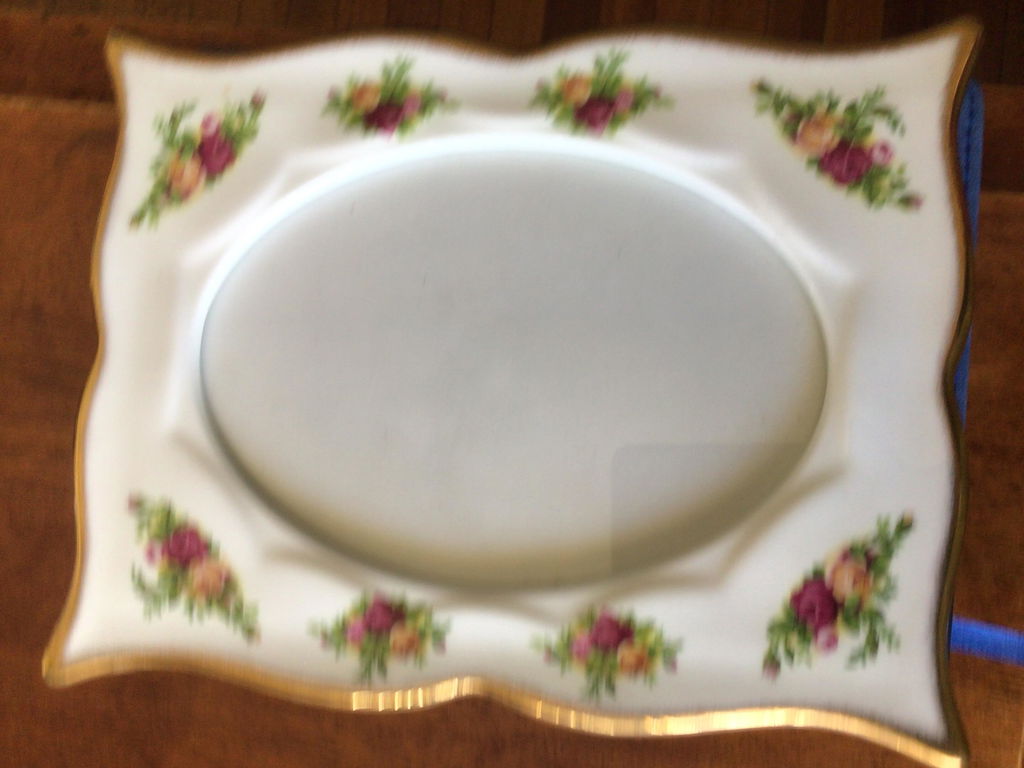
Famous for their florals, Royal Albert pieces are instantly recognisable and endlessly loved. From the classic Old Country Roses to the charming Wind in the Willows series and the soft romanticism of patterns like Lavender Rose, Royal Albert appeals to collectors across generations. Look for the crown and "Royal Albert, Made in England" backstamp.
Royal Doulton
A powerhouse of English ceramics, Royal Doulton is prized for its figurines (each identified by an HN number), character jugs, and fine tableware. Pieces marked "Royal Doulton, Made in England" with pattern numbers are particularly collectible.
Other names to watch: Aynsley, Wedgwood, Spode, Crown Staffordshire, and Paragon.
How to Read a Backstamp
The backstamp (the marking on the underside of a piece) is your best friend as a collector. It tells you:
- The maker — the brand name or pottery
- The country of origin — "Made in England" is a quality indicator and also helps date the piece (this phrase became common after 1891)
- The pattern name or number — useful for identifying and matching pieces
- Registration numbers — "Rd No." followed by a number helps date English pieces precisely
- Bone china designation — look for the words "Bone China" or "Fine Bone China"
A clear, crisp backstamp in good condition generally indicates the piece has been well cared for.
Condition — What to Look For
Condition is everything in collectables. Before you buy, always check for:
- Chips — even a tiny chip to the rim or base affects value significantly
- Cracks — hairline cracks are often hard to spot; hold the piece up to light and look carefully
- Crazing — a fine network of cracks in the glaze. Some collectors accept light crazing; others don't. Heavy crazing affects value
- Gilding wear — the gold trim on vintage china wears over time. Some rubbing is expected; heavy loss reduces desirability
- Fading or staining — particularly inside teacups from years of tea use
Good condition with no chips, cracks, or crazing is the benchmark. Pieces in excellent or pristine condition, especially with bright gilding, command the highest prices.
Where to Start Your Collection
The best collections are personal. Start with a pattern or maker that genuinely appeals to you, something you'd happily display or use. A few starting points:
- Start with a trio — a cup, saucer, and side plate is a classic collecting unit and easy to display
- Focus on one maker or pattern — depth in a single area is more satisfying (and often more valuable) than a scattered collection
- Learn the marks — spend time with a good backstamp reference guide or reputable online resource
- Buy the best condition you can afford — one beautiful piece is worth more than five tired ones
- Look beyond the obvious — lesser-known patterns from top makers can be exceptional value
Caring for Your Collection
Vintage bone china is surprisingly robust but deserves thoughtful care:
- Hand wash only — dishwashers are too harsh for gilding and delicate glazes
- Use warm (not hot) water and a gentle detergent
- Never soak pieces with gilding
- Store cups upside down or with felt between stacked pieces to protect rims
- Keep out of direct sunlight to prevent fading
Ready to Start?
At Exquisite Homewares, we carefully source vintage bone china pieces in good to excellent condition, always described honestly, always photographed to show exactly what you're getting. Browse our current collection and find your next treasure.